Modelling in tumour biology part II: modelling cancer therapy
Southampton University Hospitals, UK
Introduction
Most current adjuvant therapy for solid tumours is unsatisfactory. Relapse and treatment failure rates for chemotherapy and radiotherapy are high, as is the morbidity from the toxicity of current treatment strategies. Although we hope for novel therapies, which will destroy established, recurrent and metastatic tumours, in clinical practice we must work with the agents and therapeutic tools which we already possess. We thus need to aim for less empiricism in treatment selection and for more scientific targeting of individual patients. Extensive, systematic experimentation on human subjects is rarely practical or ethical, and modelling offers a route to the development of new treatment strategies. In an earlier article, the role models play in improving our understanding of tumour biology was discussed. This article considers how modelling, from the molecular to the epidemiological setting, influences our understanding and application of cancer therapy.
Models govern the concepts we employ in cancer therapy. We are not able to visualize drug and target molecules directly, nor physicochemical and biochemical processes (which may occur in milliseconds), nor the direct action of radiotherapy on tissues. We are obliged in clinical practice to wait for days, weeks, months or often years to confirm or refute the evidence of treatment efficacy, or to model surrogate end points to measure treatment effects.
This dependence upon indirect evidence of therapeutic mechanisms and outcomes is both a strength and a weakness. Clear and simple models of treatment will offer insights into therapy as, for example, the representation of structure and function of the drug resistance mechanism. Conversely, overly simple models may fail to address the complexity of the causes of treatment failure and encourage unjustified faith in current treatment modalities.
Molecular and cell models are powerful tools for understanding the actions of cytotoxic drugs in cells. The modelling of drug, protein and enzyme structures and interactions has been greatly advanced by computers. Physical and electronic modelling allows dynamic two and three dimensional reconstructions of complex molecules and their interactions in response to binding drugs. Such models allow the precise design of novel agents to fit receptors and to block the functional components of enzymes. For example, the structure of DNA provides the basis for modelling the action of cytotoxic drugs such as the alkylating and intercalating agents.
Detailed models of cell ultrastructure and function also aid the development of new therapeutic strategies. These may be based, for example, on the disruption of cell cycle regulation, control of apoptosis and cell signalling pathways, on inhibition of tubulin polymerization (vinca alkaloids) or depolymerization (taxols) during formation of the mitotic spindle. We have also learned a great deal about the functional organization and interaction of molecular complexes within cells, for which the model of a factory production line now appears more appropriate than ever.
Models and cancer therapy
Treatment resistance in cells
The subtlety and complexity of cell homeostasis and self-regulation provides major challenges for the development of effective anti-cancer strategies. These mechanisms evolved in nature long before the advent of chemotherapy and, therefore, seem to be fundamental to cell homeostasis. They include the DNA repair mechanisms, cell detoxification mechanisms and drug resistance pumps. These mechanisms have recently been reviewed in detail.
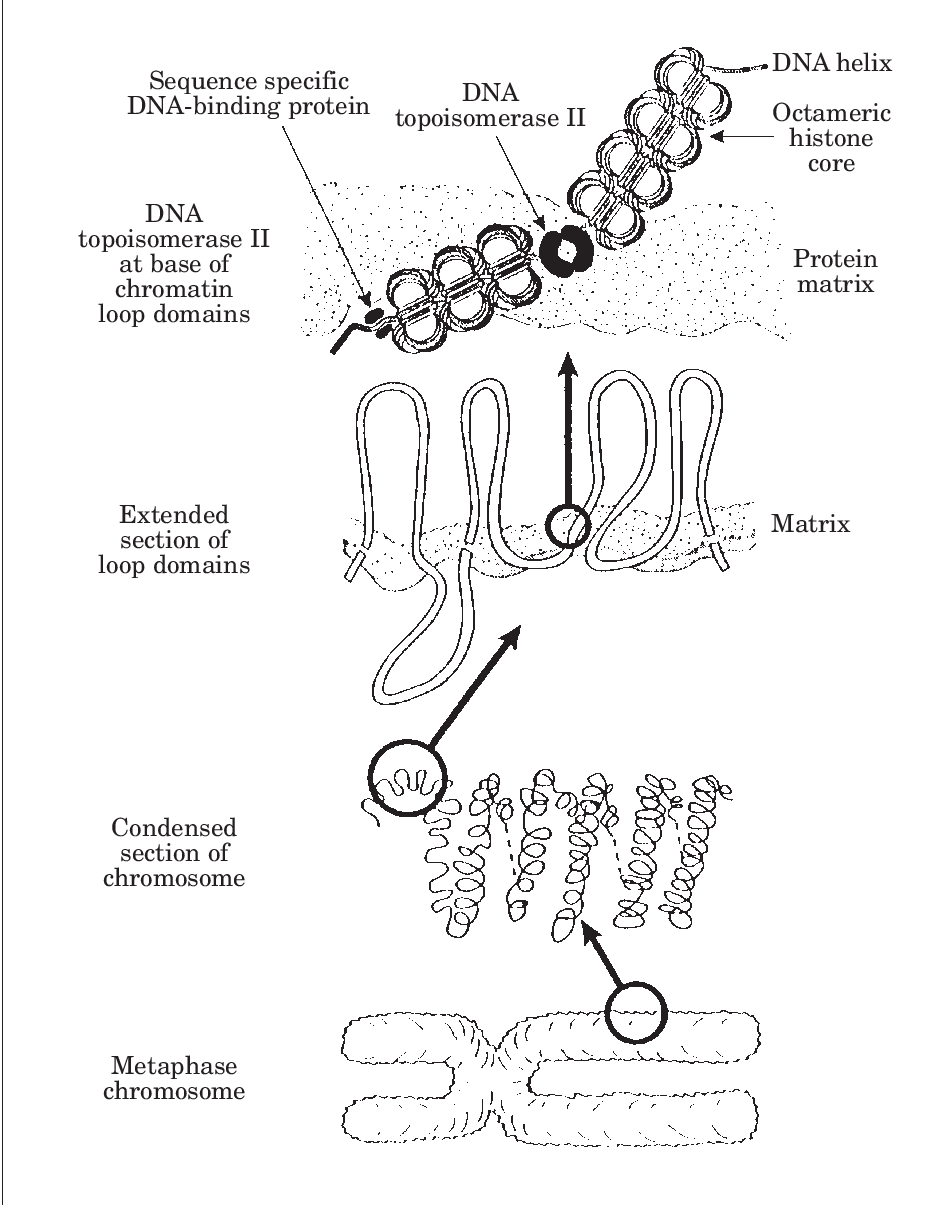
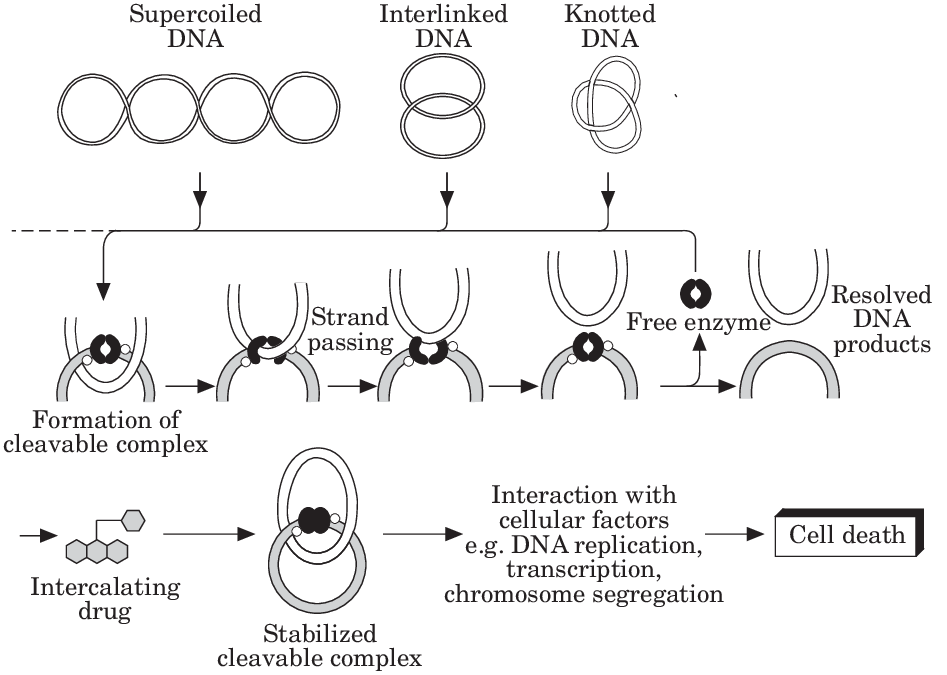
DNA repair mechanisms endow considerable resilience upon the cell population before and during therapy. Evolutionarily conserved nuclear DNA-associated enzymes, such as the topoisomerases, undertake DNA housekeeping operations (e.g., repair of strand breaks) and the facilitation of chromosome cleavage and segregation (Figs 1 and 2). Cellular detoxification mechanisms include membrane bound efflux pumps and intracellular metabolic pathways. The accumulation and intracellular action of cytotoxic drugs in the target cell may be modulated by a number of molecular mechanisms which confer drug resistance, the multi drug resistance (MDR) phenotype.
Enzymatic systems have evolved within cells to metabolize unwanted molecules and toxins. These include glutathione-S-transferase and glutathione reductase, which neutralize injurious free radicals such as reactive oxygen and hydroxyl groups. These are generated within cells as a result of radiation and drug action, modulating the resistance of the cell to therapy. The membrane bound efflux pumps include the p170 glycoprotein (Pgp) system, the multispecific organic anion transporter (MOAT) and lung resistance protein (LRP). They provide an elegant model of the relationship between molecular structure and function (Figs 3–5). They provide an explanation for drug treatment failure and suggest means to circumvent drug resistance. The family
Fig. 1. This diagrammatic model illustrates the complex folding of DNA and the higher orders of structure within a condensed metaphase chromosome. Within this tightly coiled DNA and supporting histone protein matrix is collocated the topoisomerase II enzyme to prevent irreversible supercoiling and entanglement of DNA (Courtesy of Professor P. J. Smith, University, College of Wales, UK).
Fig. 2. This diagram demonstrates the action of topoisomerase II in forming a gate, or cleavable complex, through which tangled strands of DNA can pass. It illustrates how a complex molecular process and target for cytotoxic drug action can be clarified by a clear two dimensional model (Courtesy of Professor P. J. Smith, University, College of Wales, UK).
Fig. 3. Figures 3–5 illustrate how complex molecular data can be resolved by modelling techniques to provide an elegant insight into this important homeostatic system. The planar model in Figure 3 illustrates how a primary protein structure can be correlated with secondary structure and function and cellular localisation at the cell membrane in one diagram. The protein is the p170 glycoprotein. The transmembrane domains aggregate in three dimensions to form a pore complex through which alien molecules can be pumped. Sites of Adenosine TriPhosphate (ATP) binding are marked. Circled Ps represent phosphorylation sites. The sugar moieties (irregular lines) are bound to the outer portion of the molecule around amino acids 90–100. (Dr U. Germann, Cambridge, Mass., USA, reproduced by permission of Elsevier Science from the European Journal of Cancer, 1996, Vol 32A, No 6, p. 929).
Fig. 4. This illustrates the working of the p170-glycoprotein in a simple three-dimensional model, also demonstrating how the protein sequence folds into a functional pore structure which traverses the cell membrane. The ATP mediated, energy dependent drug transport (a) out of the cell can be blocked by competitive (b) and non-competitive inhibitors (c). (Dr J. M. Ford, Stanford University, CA, USA, reproduced by permission of Elsevier Science from the European Journal of Cancer, 1996, Vol 32A, No 6, p. 992).
of membrane bound ATP dependent glycoproteins, which include the PGP, pump out of cells lipophilic drugs such as colchicine, adriamycin, vinca alkaloids and daunorubicin.7
MDR gene expression is found in most tumour types.8–12 The PGP is susceptible to pharmacological blockade by a variety of agents,13 including the phenothiazines and calcium channel blockers such as verapamil.14–17 Drug sensitivity may vary between cells within a single tumour. Drug resistant stem cell lines may be selected during treatment and may supercede the drug-sensitive cells.18
Therapeutic strategies
Tumour control by chemotherapy or radiotherapy will be modelled on one of three general strategies, which are not mutually exclusive (Table 1). These are the total destruction strategy, which aims at the elimination of the tumour, the rate reduction strategy, which aims to slow disease progression, and the modulation strategy, in which the tumour persists indefinitely but the residual disease is not
Fig. 5. This model illustrates the extended relationships between the MDR glycoprotein model, extracellular and cytoplasmic signalling molecules, the ATP complex and nuclear events, including induction of gene transcription. Associated proteins include Protein Kinase C (PKC), and the protein products of the RAS, FOS and JUN genes. Effectors include Glutathione-S-Transferase (GST) (Dr D. Bouffard and colleagues, Duarte CA, USA, reproduced by permission of Elsevier Science from the European Journal of Cancer, 1996, Vol 32A, No 6, p. 1011).
a threat to the patient. Treatment must minimize collateral damage to normal tissues, through selectivity for malignant over normal cells (the therapeutic index (TI)). Strategies must account for the different environment of dispersed but readily accessible haematogenous tumours and the complexities of solid tumour architecture and vascularity.
The complete elimination strategy
This model has been the mainstay of treatment strategies this century. It is embodied in the desire to cure cancer, through destruction and eradication of all malignant cells. Elimination is the strategy of curative and radical surgery and, indeed, is successful in a significant proportion of cancer patients. Unfortunately, surgery fails in many cases because viable tumour cells and micrometastases survive to repopulate locally or distally. The elimination strategy, thus, requires that we model therapy to destroy the residual disease, which may reside at frequencies of 1 per 10^8 cells or less at various sites such as the bone marrow. Systemic chemotherapy, regional perfusion or loco-regional radiotherapy may be used. Elimination by adjuvant therapy may pose significant problems in treatment scheduling and toxicity.
The reduction or response strategy
This strategy aims to optimize the use of existing treatment modalities within their limitations. The practical reality of much current treatment is that, at best, it delays progression rather than achieves cure. Residual, viable and resistant cells survive and repopulate the tumour during treatment. Tumour cell survival during treatment is influenced by various factors, including (a) multidrug resistance mechanisms; (b) genetic heterogeneity and polyclonality which ensures natural selection of viable and resistant clones; and (c) protection mechanisms conferred by tumour mass and environment, including hypoxia, acidity, variable vascularity and drug penetration. The problems of conventional adjuvant therapy, in relation to such tissue and tumour factors, have recently been reviewed.^15 Nevertheless, each of these factors offers targets for improved and novel treatment strategies.
The modulation strategy
This strategy aims to allow patients to live in beneficial symbiosis with their cancer. This important concept has been propounded, in particular, by Schipper et al.^27 It stems from the recognition of the importance of cell loss and, particularly, of apoptosis in tissue and tumour growth, and from a better understanding of the molecular basis of the many regulatory mechanisms in cell and tissue biology. It recognizes that radical elimination of tumour deposits may be unnecessary to achieve improvements in survival. The goal is to render primary and secondary tumour deposits biologically inert, if the balance between cell gain and cell loss can be sufficiently modified to achieve a steady state of growth and death of tumour cells. This modulatory model has many attractions. Subtle variation in cell production and apoptotic rates may have a profound influence on tumour growth. The strategy, therefore, may require lower doses of therapy and at much less toxicity than induced by elimination strategies. One practical example of this strategy in action is the use of tamoxifen in elderly ladies with breast cancer, wherein tumour progression may be suppressed without eradication for several years. The strategy may also be an attractive option for novel therapies such as gene therapy.
Therapy, cell proliferation and cell loss
The balance of cell gain and cell loss is critical to the progression of primary, residual and metastatic disease. In a simple ‘bathtub model’ of tumour growth, the water inflow represents cell production and the outflow cell loss. Reducing inflow equates to impairment of proliferation, while altered outflow reflects the many factors affecting tumour cell loss, among which are the modification of tumour cell drug resistance and DNA repair mechanisms, and the impairment of tumour invasion and metastasis.
The rate of cell proliferation determines the accretion of new cells in primary and secondary tumours, and signals the capacity of the tumour to regenerate after therapeutic injury. The impairment of cell proliferation has long been an objective for adjuvant therapy. The selectivity which cytotoxic agents often show over normal cells may be due in part to differences in proliferative rates between normal and malignant cells.28 However, this simplistic assertion may be challenged by measurements of cell proliferation in vivo, wherein the rates of cell production in normal proliferative human tissues26 may be similar to those in tumours.
Many drugs can be shown in laboratory models to act selectively upon cycling cells and in particular phases of the cell cycle.^27 Cytotoxic drugs are often defined by their mechanisms of action in relation to the cell cycle. These cytotoxic and cytostatic actions include intercalation, alkylation, mitotic disruption and metabolic inhibition.
Table 1. This lists the options for tumour treatment strategy, the treatment options, and general areas for further research to improve existing adjuvant therapies
General strategy Options
Tumour eradication Radical surgery; infrequently radiotherapy and chemotherapy
Tumour mass reduction and partial response Palliative surgery; often radiotherapy, chemotherapy
Long term tumour growth modulation without eradication (cf use of tamoxifen/analogues) Increase cell loss factor; Identify/substitute for gene defects and abnormal pathways; Change microenvironment; Inhibit growth of metastases; Alter angiogenesis
Chemotherapy strategy
Make better use of existing agents and combination therapies and reduce empiricism Technical challenges; Tumour specific drug targeting assays (now feasible in vivo, e.g. using intrinsic fluorescence) in some classes of cytotoxic drug
Improve effective dose scheduling Better understanding of tumour growth/cell loss kinetics
Reduction in drug toxicity Increase effective concentration in target tissue at lower doses
Increase therapeutic index Regional perfusion strategies; Inhibit drug resistance mechanisms
Radiotherapy strategy
Optimize dosage, fields, modality of radiation Technical challenges; Technical design, computer modelling, clinical trials
Optimize scheduling; Assess new schedules Better knowledge of kinetics and cell repopulation dynamics e.g. hyperfractionation (CHART)
Maximize effectiveness on target tissue Improve therapeutic ratio, e.g. radiosensitizers, combined drug and r/t schedules
Treatments have thus been devised to take advantage of perceived cell cycle specific and kinetic actions of single and combination drug treatments, and to exploit perceived kinetic differences between normal tissues and tumours. Unfortunately, the success of proliferation strategies to improve the scheduling of therapy has been limited. The outcome of therapy based upon cell cycle strategies may be influenced by the complexity, asynchrony and heterogeneity of solid tumours, and by changes in proliferative characteristics during the course of the treatment itself. Cell depletion is a potent stimulus to the entry of cells into cycle. Thus, paradoxically, chemo or radiotherapy may promote a more aggressive phase of tumour proliferation.
The importance of programmed cell death (apoptosis) in the growth cycle of tumours has only been recognized within the past 30 years.33,37 Many cytotoxic drugs induce apoptosis in tumour cells.33,35 Dive and Hickman33 have proposed that the cell must possess mechanisms, which recognize a variety of drug-target interactions and trigger apoptosis. The apoptotic pathway may present specific targets for therapeutic stimulation. Nevertheless, there remains controversy as to the significance and usefulness of apoptosis as a target for chemotherapy. Apoptosis may merely be a final common pathway for many different initial mechanisms of cell damage.
Modelling tumour growth and decay under treatment
Tissue and proliferation in normal and therapy perturbed conditions may be modelled mathematically. There is sufficient information, derived from clinical research, to assign to models detailed kinetic and growth fraction data obtained from in vivo studies.35,37 It is possible to calculate the consequences for tumour growth of various perturbations of cell accretion and loss.
There is a discrepancy between cell production and tumour growth rates measured in vivo, which suggests that up to 95% of tumour cells may be lost at certain phases in tumour growth.37 Real tumour cell populations are a complex mixture of proliferating, quiescent, non-cycling and apoptotic cells, which defy simple models when all factors are introduced. For example, the duration of apoptosis, once initiated, is known to be of the order of 3 hours in many cell types. Because of the speed with which apoptosis proceeds, usually within 3 hours from induction to completion, small modulations, subtle adjustments and a small percentage change in the rate or fraction of apoptosing cells can have profound consequences for the balance between cell gain and cell loss, growth and shrinkage in a tumour.
Cell proliferation measurements alone, thus, are insufficient to describe tumour growth. Unfortunately, we do not, as yet, have reliable measurements of the apoptotic fraction in human tumours. Mathematical models, however, can be used to calculate a range of possible options which will show what percentage of cells must be induced into apoptosis to reverse tumour growth. For example, a small, rapidly growing primary or metastatic tumour may have a normal cell proliferation rate but minimal cell loss.
Conversely, a large tumour with a high cell production rate may show stasis or volume decay because of a high cell loss rate.
In vivo models of chemotherapy
There are many issues to be resolved in order to optimize current use of cytotoxic drugs in adjuvant and neoadjuvant cancer therapy. The choice to use chemotherapy is not always clear. The statistical survival benefits to be obtained from the use of many agents in many types of cancer, at best, are marginal, and must be weighed against the likely morbidity of the therapy to be used.
Cell line models continue to play a major role in the development and evaluation of chemotherapy and radiotherapy. For example, the point of action of drugs in the cell cycle can be clearly identified by flow cytometric techniques which show graphically the accumulation of damaged cells in one or other phase when the cycle is disrupted.37 The homogeneity and predictability of cell lines offers many advantages in experimentation. Cell culture techniques have also been applied to in vitro therapeutic testing of clinical tumour biopsies, notably in clonogenicity assays. Such models have proved generally unreliable, not least because of the generally low success rate of explants in culture, and the abnormal growth environment of the explanted cells.
Unfortunately, cell line models do not reflect the infinitely more complex physiological and immunological situation in vivo. They will remain important for elucidating molecular processes in cell and tumour biology, but live animals and patients remain the key to practical therapeutic testing.
Small rodents have been the mainstay of experimentation in cancer treatment for many years. They offer many practical advantages; for example, short growth and breeding times, comparable mammalian biology and physiology, low unit costs, a wide range of selected genotypes and the ease of study of large numbers of animals to address biological variation. Skipper et al. in 1964 38 used a rodent model to propound the principles which have had a major influence on chemotherapy planning, the design of clinical trials and drug regimens, dosing frequency, multimodality, duration and periodicity of treatment. Using cell line models of leukaemias in mice, they observed that a given dose of effective drug kills a constant fraction of cells (first order kinetics), regardless of the total cell mass, and that there is an inverse relationship between cell number and curability. These observations can be modelled in simple graphical form, to illustrate how cell numbers decay with repeated therapy against a background of continuously proliferating residual cells.1 The models may be used to encompass various treatment conditions, for example multiple drug regimens, and to describe the simultaneous consequences of treatment for non-cancerous cells.
The evidence and guidelines derived from experimental cell lines and animal models of cancer therapy, nevertheless, is difficult to extrapolate to the complex multidimensional environment of human solid tumours in vivo. The deficiencies of the Skipper model are reflected in the realities of clinical practice, wherein the choice of drug is often empirical and choices of dosage, scheduling, periodicity (intermittent or continuous chemotherapy) and polypharmacy (multiple drug combinations) are difficult to plan on a scientific basis.4 It is interesting that a model, derived from a study of leukaemic cells in a small mammal, could have such a profound influence on our thinking about the treatment of human solid tumours for more than 30 years.
The key limitation of the Skipper model of fractional cell kill is that such drug treatment strategies will not alone achieve total tumour elimination. Viable, drug-selected and drug-resistant cells remain to repopulate and progress when clinically sub-lethal treatment doses are used. The model, simplistic at the outset, becomes increasingly unreliable as treatment progresses and as recurrences and metastases supervene. Some clinical tumours respond completely to current treatment regimens, while others do not respond at all; some achieve a partial response. Responses are determined by the range of complex factors previously described, and by the differential individual sensitivity of tumours to individual drugs. The use of tamoxifen and analogues in the adjuvant and neoadjuvant treatment of primary breast cancer also provides one clear example of this heterogeneity of response at work.41
The treatment of established metastases provides particular therapeutic challenges. There may be significant biological differences between primary tumours and their metastases, which must develop in a different immunological and nutritional environment (such as a lymph node or in bone marrow) to that of the primary tumour.
Models of radiotherapy
Models play a major role in radiotherapy. At a practical and technical level, computers and simulators have made a major contribution to accuracy and efficiency in regard of field and dose calculation in treatment. Experimental models, particularly using small rodents, have been the key to our understanding of the mechanisms of action of radiotherapy and continue to be used in developing new strategies and radio-sensitizing agents. All cells are penetrated and damaged by ionizing radiation. Tumours and tissues are more or less radio-sensitive, as a function of factors which include cell kinetic behaviour, thiol status, DNA repair mechanisms and relative hypoxia. Radiotherapy induces cell damage by the generation of free oxygen radicals, which are less readily produced in hypoxic conditions. Cells often tolerate and overcome sub-lethal radiation doses.
Radiation affects cycling cells preferentially. Cells respond to radiotherapy with repair, redistribution, reoxygenation and repopulation. The repair of radiation damage can be described by plotting a survival curve for tissues in response to varying doses of radiotherapy. Repopulation and redistribution of the proportion of resting to cycling cells during treatment will tend to decrease its effectiveness.42,43 Rapidly proliferating tissues will tend to repopulate rapidly.44,45 Repair and repopulation tend to increase the total dose of radiation needed to achieve a given degree of damage. The rate of cell production, therefore, may influence
radiotherapy fractionation. No regimen of radiotherapy will produce completely selective killing of tumour cells while preserving normal tissues. Dividing a dose of radiotherapy into smaller fractions sequentially improves the therapeutic ratio. From experimental data, optimal tissue sparing radiotherapy fractionation schedules can be estimated which allow the maximum possible dose to be directed to the tumour.46 The recognition of the high rate of cell proliferation in human tumours has produced models of hyperfractionation therapy using frequent low doses to increase the kill rate of cycling cells.47,48
Developments in modelling
Modelling new targets for therapy
Conventional models of chemotherapy are being superseded by new models derived from our greater understanding of tumour biology.49,50 These include inhibition of angiogenesis and the inhibition of processes of invasion and metastasis.51–53 It is possible to model the patterns of growth of neovasculature, the patterns of drug delivery and distribution within tumours, patterns of invasion and metastasis, using computer and mathematical models.54,55 Other approaches include gene therapy56 and radiolabelled antibody therapy.57–59 For example, nucleotide sequence models of DNA allow the design of gene therapies based on the insertion of complementary gene fragments and modified or normal genes into cells using viral and other vectors.
Modelling population heterogeneity and response to treatment
In focusing on the treatment of individuals, it is possible to overlook the biology and natural variation in disease processes and responses in human populations. For example, seemingly similar individuals and individual tumours may respond very differently to similar treatments. Detailed knowledge of the biology of each patient and tumour may help us to explain such variation, but in practice there is unlikely ever to be sufficient data to account for such variation. We may nevertheless model population dynamics of response to therapy to produce statistical probabilities of response based on detailed cell biological data.
On the population scale, models of the consequences for health economics and disease incidence of successful treatment strategies for disease, may be constructed. Given the cumulative incidence of cancer with age, a successful public health strategy against cardiorespiratory disease, for example, will tend to increase the incidence of cancer in the surviving, aging population, with implications for cancer services.
Predictive models for therapy
The lack of predictive assays of chemo or radio-sensitivity obliges unwanted guesswork in cancer treatment. If available, such assays would perform two principal functions. They would identify the individual tumours and metastases most likely to respond to available agents, and would allow selection of the optimal modality for that tumour at any time in its evolution. The complexity and heterogeneity of solid tumours defines the characteristics of the technologies to perform such assays. The latter must analyse large numbers of cells, to overcome sampling errors and biological heterogeneity, and quantify meaningful variables within the tumour which are appropriate indicators of therapy. Also, the assays must produce results in a clinically relevant timescale, and at reasonable cost and accessibility. The use of laser cytometry to quantify anthracycline drug uptake and efficacy in tumour samples,60 and cell proliferation for CHART studies,47 provides two examples to illustrate how modern technologies are moving us closer to such practical assays.
Conclusions
Our understanding of mechanisms in oncogenesis and therapy have undoubtedly advanced significantly in the past 50 years. Continuing treatment shortcomings in clinical practice, however, testify to the oversimplification in our models, and to the failure to account for the complexities of cell biology, tissue homeostasis and the functional duplication and redundancy of resistance pathways. Therapeutic models need to account for many confounding factors. These include (a) delivery of effective concentrations to the target cell, which are modified by normal physiological processes, local neovasculature, pH and hypoxia; (b) mechanisms of drug action at the cell surface, through interactions with receptors; (c) transit and expulsion of the drug across the cell membrane, and its modulation by competitive and non-competitive inhibition; (d) MDR gene induction; (e) intracellular metabolism of the drug to active and inactive forms; (f) delivery of drug to the intracellular target, and effective interaction; and (g) induction of a therapeutic response and its detection, for example, cessation of proliferation or induction of apoptosis.
Given the limitations of current cancer treatments, new hypotheses and new models are urgently needed to improve the use of existing treatments and to identify and test new approaches. New technologies and computers allow new ideas to be modelled and tested, while computer networking and the Internet compress the timescale of research, exchange of ideas and development. A flow of innovative thinking is essential. Intellectual conformism is the enemy of progress, and we need the courage to challenge conventional wisdom in cancer therapy in a responsible way. In this regard, a broad scientific education and lateral thinking across disciplinary boundaries may foster originality of thought and new models of cancer treatment. The intellectual challenge is immense, and the reward equally so.
Acknowledgements
I am grateful to Professor Michael Baum for reviewing the manuscript and suggesting improvements. I thank Professor Paul J Smith of the University of Wales College of Medicine, Cardiff and Mr Rod Robinson, Editor of Cancer Topics,
Educational section
for permission to reproduce Figures 1 and 2. I thank the Editor of the European Journal of Cancer and Elsevier Science Ltd for permission to reproduce Figures 3-5.
References
Priestram TJ. The rationale of cytotoxic drug therapy in Cancer chemotherapy: an introduction. (Chapter 4. Springer Verlag,Berlin 1989; 53-69.
Alberts B. The cell as a collection of protein machines. Cell 1998; 92: 291-4.
Lehnert M, Twentyman P (Eds). Multidrug Resistance in Cancer: A special issue. Eur J Cancer 1996; 32A: 911-1086.
Lin LF. DNA topoisomerase poisons as antitumour drugs. Ann Rev Biochem 1989; 58: 351-75.
Smith PJ. Topoisomerase inhibitors: new twists to anticancer drug action. Oncology Today 1991; 3: 4-9.
Hedley DW. Flow cytometric assays of anticancer drug resistance. Annals NY Acad Sci 1993; 677: 341-53.
Deuchars KL, Ling V. P-glycoprotein and multidrug resistance in cancer chemotherapy. Semin Oncol 1989; 16: 156-65.
Weinstein RS, Kuszak JR, Kligkshn LP, Coon JS. P-glycoproteins in pathology; the MDR gene family in humans. Hum Pathol 1990; 21: 34-48.
Kerr DJ, Kaye SB. MDR in haematological malignancies. Haematology Reviews 1990; 4: 61-4.
Gotteman MM, Pastan I. Multidrug resistance – a review. Ann Rev Biochem 1993; 62: 385-427.
Krishan A, Sauterig A. Flow cytometric monitoring of cellular resistance to cancer chemotherapy. In Flow cytometry: Principles and clinical applications. KD Bauer, RE Duque and TV Shanley (Eds), Williams and Wilkins New York 1992, pp. 459-467.
Schneider J, Bak M, Effleth T, Kaufmann M, Mattern J, Volm M. P-glycoprotein expression in treated and untreated human breast cancer. Br J Cancer 1989; 60: 81-85.
Twentyman PR. Approaches to the circumvention of cytotoxic drug resistance. Haematology Reviews 1990; 4: 65-74.
Raim MJ, Glaubiger D, Fuchs Z. Reversal of acquired resistance to doxorubicin in P388 murine leukaemia cells by tamoxifen and other triparanol analogs. Cancer Res 1984; 44: 4392-5.
Foglesong PD, Reckord C, Smith S. Doxorubicin inhibits topoisomerase I. Cancer Chemother Pharmacol 1992; 30: 123-5.
Foxwell BM, Mackie A, Ling V, Ryrie B. MDR related p-glycoprotein as a cyclopsorin binding protein. Mol Pharmacol 1989; 36: 543-6.
Gosland MP, Lum BE, Slick BL. Reversal by cetopozone of resistance to etoposide, doxorubicin and vinblastine in MDR human sarcoma cells. Cancer Res 1989; 49: 6901-5.
DeVita VTJ. The relationship between tumour mass and resistance to chemotherapy. Cancer 1983; 51: 1209-20.
Tannock IF. Conventional cancer chemotherapy: promise broken or promise delayed. Lancet 1993; 351 (Suppl. 1): 9-16.
Schipper HT, Turley EA, Baum M, Wycoat A. A new biological framework for cancer research. Lancet 1996; 348: 1149-51.
Steel GG. Growth kinetics of tumours. London; Oxford University Press, 1977.
Tannock I. Cell kinetics and chemotherapy, a critical review. Cancer Treat Rep 1978; 62: 1117-33.
Van Putten LM. Cell Kinetics, a guide for chemotherapy? Controversies in Cancer, Chapter 13. Masson Publishing 1979; pp. 117-9.
Norton L. Thoughts on a role for cell kinetics in cancer chemotherapy. Controversies in Cancer; New York; Masson Publishing USA Inc. 1979, pp. 105-15.
Simonson-Herren L. Kinetic perturbations during cancer therapy; Annals NY Acad Sci 1982; 397: 88-100.
Patten CS, Kellett M, Roberts S, New DA, Wilson GD. Measurement of in vivo proliferation in human colorectal mucosa using bromodeoxyuridine. Gut 1992; 33: 71-8.
Tannock I. Experimental chemotherapy and concepts related to the cell cycle. Int J Radiat Biol 1986; 49: 335-55.
Tannock I. Experimental chemotherapy. In Tannock I and Hill RP. The basic science of oncology, 2nd Edn. New York; McGraw Hill 1992; pp. 338-59.
Hill BT, Price LA. An experimental biological basis for increasing the therapeutic index of clinical cancer therapy. Annals NY Acad Sci 1982; 397: 72-87.
Mauro F, Gohoide W, Schumann J, Teodori L, Spano M. Considerations in the design of possible cell cycle effective drugs. Int J Radiat Biol 1986; 49: 307-33.
Kerr JFR, Wyllie AH, Currie AH. Apoptosis, a basic biological phenomenon with wide implications in tissue kinetics. Br J Cancer 1972; 26: 239-45.
Williams GT. Programmed cell death: apoptosis and oncogenesis. Cell 1991; 65: 1097-8.
Dive C, Hickman JA. Drug-target interactions; only the first step in the commitment to programmed cell death. Br J Cancer 1991; 64: 192-6.
Dive C, Evans CA, Whelton AD. Induction of apoptosis-new targets for cancer chemotherapy. Semin Cancer Biol 1992; 3: 417-27.
Fisher DE. Apoptosis in cancer therapy: crossing the threshold. Cell 1994; 78: 539-42.
Begg AC. Derivation of cell kinetic parameters from human tumours after labelling with Bromodeoxyuridine or iododeoxyuridine. Br Inst Radiol Report 1989; 19: 113-9.
Wilson GD. Assessment of human tumour proliferation using bromodeoxyuridine—current status. Acta Oncologica 1991; 30: 903-10.
Gorczyca W, Sarode V, Juan G, Melamed M, Darzynkiewicz Z. Laser scanning cytometric analysis of Cyclin B1 in primary human malignancies. Human Pathol 1997; 10: 457-62.
Skipper HE, Schabel FM, Wilcox WS. Experimental evaluation of potential anti-cancer agents XIII. On the criteria and kinetics associated with curability of experimental leukaemia. Cancer Chemother Rep 1964; 35: 1-11.
Kearley UH. Cytotoxic chemotherapy for common adult malignancies: the emperor’s new clothes revisited? Br Med J 1986; 293: 871-6.
Clarke M, Collins R, Davies C, Goodwin J, Gray R, Peto R. Tamoxifen for early breast cancer: an overview of the randomised trials. Lancet 1988; 351: 1451-65.
Hill RP. Cellular basis of Radiotherapy. In Tannock I (Ed): The Basic Science of Oncology. Chapter 15. Elsevier Press 1986; pp. 237-55.
Hill RP. Experimental Radiotherapy. In Tannock I (Ed): The Basic Science of Oncology. Chapter 16. Oxford; Elsevier Press 1986; pp. 256-77.
Kummermehr J, Trott K-R. Rate of repopulation in a slow and fast growing mouse tumour. In Karcher KH et al. (eds), Progress in Radio-oncology II, New York; Raven Press 1982; pp 299-308.
Tubiana M. The kinetics of tumour cell proliferation and radiotherapy. Br J Radiol 1971; 44: 325-47.
Denekamp J. Cell kinetics and radiation biology. Int J Radiat Biol 1986; 49: 357-80.
Peters LJ, Brook WA, Chapman JD, Wilson GD. Predictive assays of tumour radiosurvivability. In J Clin Oncol (CCT) 1988; 11: 275-7.
Poste G. Cellular heterogeneity in malignant neoplasms and the therapy of metastases. Annals NY Acad Sci 1982; 397: 34-48.
Rew DA. Heterogeneity, biodiversity and bioperversity in human solid tumours. Eur J Surg Oncol 1996; 22: 869-73.
Jain RK. Barriers to drug delivery in solid tumours. Scientific American 1994; 271: 58-65.
Fidler IJ, Ellis LM. The implications of angiogenesis for the biology and therapy of cancer metastasis. Cell 1994; 79: 185-8.
Jiang WG, Puntis MCA, Hallett MB. Molecular and cellular basis for cancer invasion and metastasis: implications for treatment. Br J Surgery 1994; 81: 1576-80.
Naguib R, Adams A, Horne C, Angus B, Smath A, Sherbet
G, Lennard T. Prediction of nodal metastasis and prognosis in breast cancer: a neural model. Anticancer Res 1997; 17: 2735-41.
Hanahan D. A flanking attack on cancer. Nature Medicine 1998; 4: 134-8.
Sikora K. Genes, dreams and cancer. Brit Med J 1994; 308: 1217-21.
Ledermann JA. Radiolabelled antibodies for cancer therapy. Hospital Update 1989; 1: 56-65.
Russell SJ, Llewelyn MB, Hawkins RE. Principles of antibody therapy. Brit Med J 1992; 305: 1424-28.
Hawkins RE, Llewelyn MB, Russell SJ. Adapting antibodies for clinical use. Br Med J 1992; 305: 1348-52.
Krishan A, Shridhar KS, Davila E, Vogel C, Sternheim W. Patterns of anthracycline retention in human tumour cells. Cytometry 1987; 8: 306-14.
Fig. 1. This diagrammatic model illustrates the complex folding of DNA and the higher orders of structure within a condensed metaphase chromosome. Within this tightly coiled DNA and supporting histone protein matrix is collocated the topoisomerase II enzyme to prevent irreversible supercoiling and entanglement of DNA (Courtesy of Professor P. J. Smith, University, College of Wales, UK).
Fig. 2. This diagram demonstrates the action of topoisomerase II in forming a gate, or cleavable complex, through which tangled strands of DNA can pass. It illustrates how a complex molecular process and target for cytotoxic drug action can be clarified by a clear two dimensional model (Courtesy of Professor P. J. Smith, University, College of Wales, UK).
Fig. 3. Figures 3–5 illustrate how complex molecular data can be resolved by modelling techniques to provide an elegant insight into this important homeostatic system. The planar model in Figure 3 illustrates how a primary protein structure can be correlated with secondary structure and function and cellular localisation at the cell membrane in one diagram. The protein is the p170 glycoprotein. The transmembrane domains aggregate in three dimensions to form a pore complex through which alien molecules can be pumped. Sites of Adenosine TriPhosphate (ATP) binding are marked. Circled Ps represent phosphorylation sites. The sugar moieties (irregular lines) are bound to the outer portion of the molecule around amino acids 90–100. (Dr U. Germann, Cambridge, Mass., USA, reproduced by permission of Elsevier Science from the European Journal of Cancer, 1996, Vol 32A, No 6, p. 929).